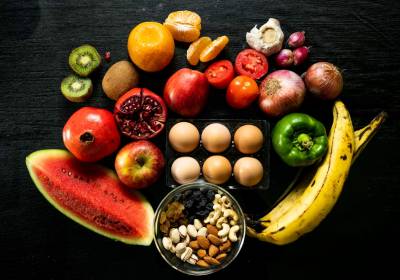

I’ve been staring at my half-empty cereal bowl for a while, wondering why I always get so tired around 3 p.m. It’s likely the usual culprit: too many carbs in the morning and too little protein. Honestly, it’s surprising how little attention we give to the basic fuel our bodies need every day, even when it’s right in front of us. Calories and labels are one thing, but the actual macronutrients—carbs, fats, and proteins—play such specific roles that ignoring them feels like trying to drive a car with the headlights off.
Macronutrients are the nutrients we need in relatively large amounts, unlike vitamins or minerals. They’re not flashy, but they do the heavy lifting. Each comes with its own quirks and habits. Some mornings, I notice my mood dips after a pastry-heavy breakfast, which is basically a firsthand report on carbs at work.
Carbohydrates: The Quick Fuel
Carbs are usually what people think about first. Bread, rice, pasta—they all fall into this category. They break down into glucose, which your body uses for energy. Simple enough, but it gets messy fast. I’ve seen coworkers slam down energy drinks and chocolate bars mid-morning, thinking they’re fueling up, only to crash hard twenty minutes later. That’s the tricky part: carbs give you bursts of energy, but some types come with a speed limit. Whole grains, beans, and vegetables release glucose slowly, like a faucet you barely open. Sugar-heavy foods? More like a fire hose straight to your system.
It’s funny how personal carb tolerance feels. One person eats a sandwich and can sprint through errands for hours; another does the same and immediately needs a nap. It’s not magic—just biology, timing, and maybe a bit of luck with your gut.
Proteins: The Repair Crew
Proteins are the building blocks your body uses for everything: muscles, enzymes, and even skin. Unlike carbs, they don’t just vanish after a jog—they stick around, doing quiet maintenance. I noticed when I started adding a boiled egg or some yogurt to my breakfast, my afternoons felt much less bleary. I think my muscles liked it, too, though they didn’t exactly text me to say thanks.
Sources vary wildly, from meat and fish to lentils, tofu, and nuts. Each has a slightly different mix of amino acids. I never paid much attention until I tried mixing different plant proteins and realized that a hummus-on-toast combo feels more “complete” than I expected. It’s subtle, but over time it makes a real difference in energy, recovery, and even things like hair and nail health.
Fats: The Slow Burn
Fats often get a bad rap. I used to avoid them like the plague, convinced they’d cause instant weight gain. Turns out, they’re not just the flavor in your avocado or peanut butter; they’re crucial for hormones, cell membranes, and even absorbing certain vitamins. I’ve had late-night grocery trips where I grabbed a handful of nuts and felt… fine. No crash, no sugar slump. Just quiet, steady energy. That’s fats in action.
Different types behave differently. Saturated fats are found in things like butter and cheese, while unsaturated fats show up in olive oil, seeds, and fish. I’m not claiming to be a chemist, but the simple takeaway is that your body treats these differently. Even small daily tweaks—like drizzling oil on vegetables instead of using a heavy cream sauce—make a perceptible difference in how awake you feel.
Balancing Act
At the end of the day, it’s clear that none of these nutrients work in isolation. Skipping protein for carbs leaves you jittery; cutting out fats can leave you irritable or foggy. I tend to think of it like traffic: each lane has its role, and if one is blocked, the whole system slows down. Eating a balance of all three, spread across your meals, seems to be the only practical way to keep things moving without a meltdown.
It’s not a perfect science, and sometimes it’s messy. I still forget my lunch or overdo it on the pasta. But paying just a little more attention—watching which carbs spike my energy and which fats stabilize me—makes the daily grind feel a lot less like a guessing game.