I never paid much attention to nutrition until my mornings started feeling like a slow-motion traffic jam. You know the kind: you’re up, but somehow still stuck, stomach rumbling, coffee barely helping. Eventually, I realized that what I shoveled in—or ignored—every day made a difference. Not in a dramatic, overnight glow-up way, but in the subtle drag or spark of energy you feel by lunch.
It’s easy to overcomplicate things. Labels scream “superfood” or “keto-friendly,” but mostly it comes down to a few basic habits. I started noticing small patterns: my mood dipped after sugary snacks, my focus sharpened when I had a breakfast that wasn’t just toast with jam. Observing the effects on my own body—rather than following headlines—was eye-opening.
Understanding Nutrients Without the Noise
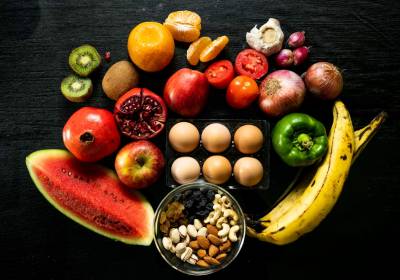
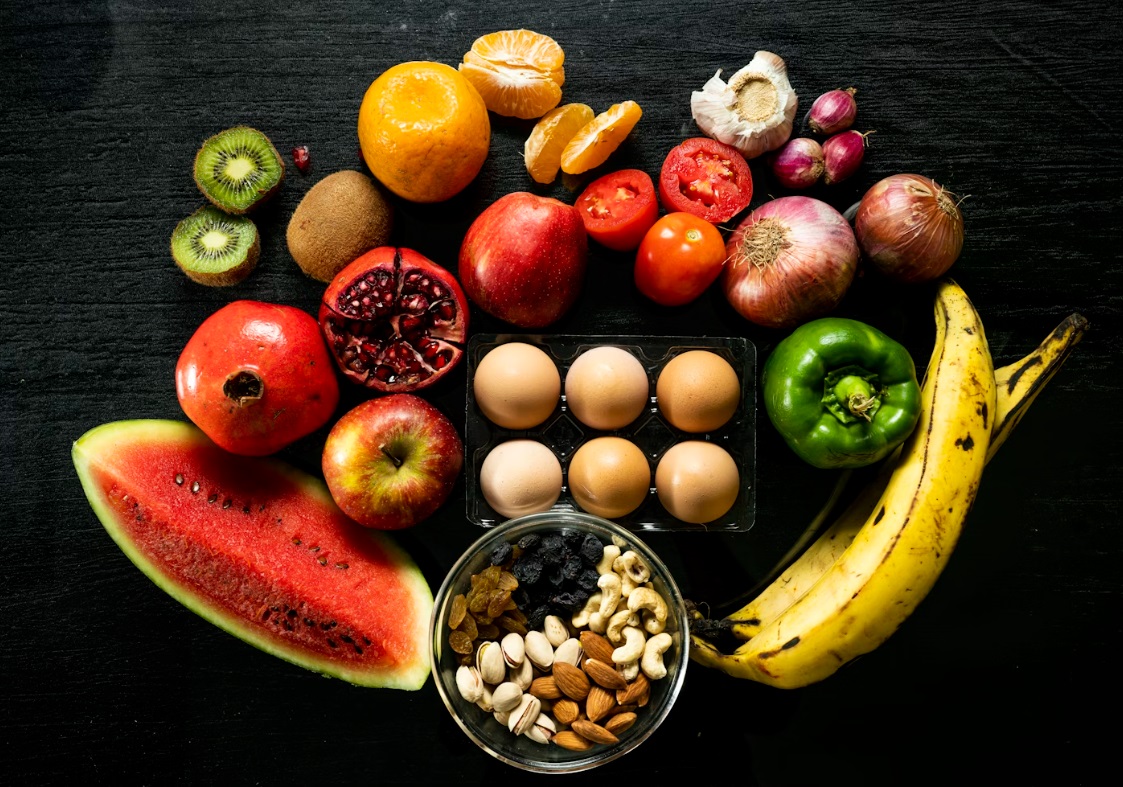
Proteins, carbs, fats—yeah, we’ve heard it all. But the concrete part is noticing what your body actually does with them. A handful of almonds at 3 p.m. keeps me from slumping over my keyboard. Two eggs in the morning mean I’m less likely to grab that vending machine chocolate. Not because of a diet rule, but because it works, plain and simple.
Vitamins and minerals are trickier. I used to forget about magnesium until my calf cramped while I was trying to fall asleep. Oops. Turns out spinach and pumpkin seeds help more than some expensive supplement. Learning those tiny cause-and-effect things—the ones that feel annoying to track but quietly make life smoother—is what counts.
Everyday Eating Patterns
Structure matters, but not in a rigid “meal at exactly 7 a.m.” way. I’ve found that regular meals, spaced somewhat evenly, keep my energy from collapsing into random sugar binges. Sometimes it works; sometimes life happens and I’m eating cereal at 10 p.m. It’s fine, as long as the usual rhythm is there most of the time.
Snacking is unavoidable. I try to keep things simple: fruit, nuts, yogurt. It’s messy when you’re out and end up grabbing whatever’s convenient—chips, candy, those tiny pastries at the gas station—but noticing patterns helps. You realize which “snacks” are just fuel and which are traps that make you groggy two hours later.
Hydration and Subtle Habits
Water is underrated. I’ll admit I forget all the time. A glass mid-morning or before bed doesn’t feel like a big deal, but it changes headaches, skin, and focus more than I expected. Coffee helps too, obviously, but it’s not a substitute.
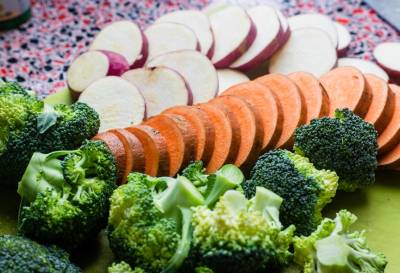
Sometimes the little things count more than anything else. Cooking one extra vegetable with dinner. Choosing whole-grain bread when I notice my stomach complaining. Sitting down to eat without staring at my phone for five minutes. None of it is revolutionary, but over months it adds up.
Nutrition isn’t flashy. It doesn’t announce itself. But the difference between feeling sluggish and just okay versus moving through a day with a quiet sense that you’re fueling yourself properly is noticeable. And you don’t need a perfect plan—just attention to what actually makes your own body feel a bit better, day by day.