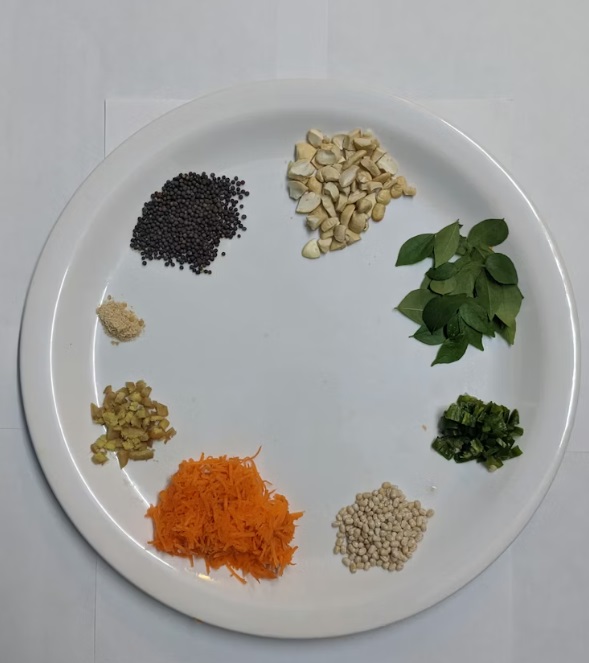
Sometimes I wonder how little attention we actually pay to what’s on our plates. You glance at a sandwich, see lettuce and turkey, maybe think “healthy enough,” and move on. But there’s a whole jumble of nutrients hiding in there, each with its own little role, whether you notice it or not. I started jotting down the basic contents of what I eat most days, partly out of curiosity and partly because I was tired of feeling vaguely sluggish every afternoon. Turns out, some things are obvious, others less so.
Vegetables and Their Quiet Surprises
Take spinach, for example. You probably know it’s full of iron, but the amount varies a lot depending on whether it’s raw, steamed, or frozen. Raw leaves are kind of delicate, almost fragile in the salad bowl, but steaming them concentrates the minerals and vitamins in a way that’s subtle—you don’t really notice it unless you look up the numbers. Carrots are another story: they’re sweet, fibrous, and visually forgiving in a bowl, but the beta-carotene they carry can actually be a decent vitamin A source if you cook them a bit. Oddly enough, just tossing them in a raw salad doesn’t give quite the same punch.
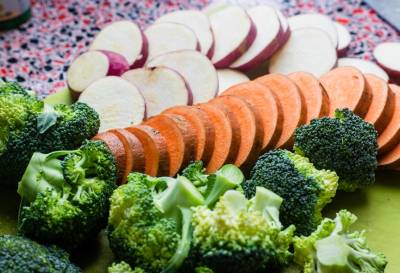
Broccoli sits somewhere in the middle. People talk about vitamin C, fiber, and folate, but I mostly notice the smell when it’s roasted in the oven. That nutty, almost charred scent hints at what’s inside, and it’s funny how cooking changes not just texture, but the nutrient availability too. Steaming preserves more vitamin C than boiling, though most people don’t steam, and that’s fine, but it’s kind of annoying if you’re trying to track specifics.
Protein Sources: More Than Muscle Food
Chicken breast is about as straightforward as it gets: mostly protein, tiny bit of fat, not much else. But even there, the way it’s cooked shifts the numbers. Frying adds fat, obviously, and marinating sometimes changes sodium levels more than you’d think. Eggs are a little trickier—vitamin D, B12, choline. The yolk is a concentrated mess of nutrients while the white is basically protein alone. I keep a few on hand at all times; boiling them seems like the easiest way to not overthink it, though I do sometimes sneak a fried one in on weekends.
Beans feel like a secret weapon. Black beans, kidney beans—they’re all over the place with fiber, protein, iron, and some odd trace minerals. I keep a can in the pantry for nights when cooking feels like a drag. They don’t taste dramatic, but your gut notices. And it’s funny how some things—like canned beans versus freshly soaked ones—don’t make much difference day to day unless you’re really counting.
Fruits: Tiny, Sweet, Complicated
Bananas are an easy example. Potassium, a bit of vitamin B6, some sugar—but there’s a weird variability based on ripeness. Greenish bananas are different from the spotty ones you see at the grocery store; it’s subtle but measurable if you care about digestion. Berries, on the other hand, feel like bursts of something almost ineffable. Blueberries have antioxidants, fiber, and sugar all tangled together. Eating a handful while scrolling through your phone, it’s easy to forget you’re actually feeding yourself something complex.
Oranges: mostly vitamin C, water, and a hint of fiber. You bite into one and the juice dribbles down your chin. That tactile experience reminds you that nutrition isn’t just numbers—it’s also texture, smell, the little sticky messes you clean up afterward. Somehow, that feels as important as the vitamin percentages on the label.
Grains and Miscellaneous Staples
Rice is usually just carbs, but brown versus white makes a difference if you glance at the fiber and magnesium. It’s not dramatic in taste, but your stomach notices over time. Bread is similarly uneven: whole grain can offer B vitamins and iron, but white bread is basically fluff. Pasta, oats, quinoa—they all have nuances, mostly subtle, but they stack up if you’re paying attention over weeks rather than a single meal.
Milk is a funny one. Mostly calcium and protein, plus a bit of fat if it’s whole. Yogurt adds probiotics, which are a whole other invisible layer. I’ve noticed that keeping a fridge stocked with a mix of these makes meal planning easier, even if I don’t track exact numbers. And yet, it’s still surprising how small differences in preparation—boiling, roasting, soaking—can change what your body actually gets out of them.
At the end of it, noting nutrient composition feels less like following rules and more like noticing patterns in everyday life. You start seeing the quiet details: the soft give of a ripe tomato, the faint bitterness of kale, the way beans swell in water overnight. The numbers are there, sure, but the experience of food—messy, inconsistent, tactile—remains its own reality.