Sometimes I find myself staring at the fridge, wondering if a jar of pickles counts as a snack or a meal. Honestly, figuring out what counts as “healthy” can feel like wandering through someone else’s grocery store with no map. A lot of it isn’t flashy—no superfoods or trendy powders required—but more about paying attention to what actually ends up on your plate day after day.
It’s easy to get lost in labels, but mostly, healthy eating is just noticing patterns. Like how you feel after lunch: sluggish, jittery, satisfied, or still hungry. Those little clues are surprisingly useful if you actually tune in.
Start With the Basics
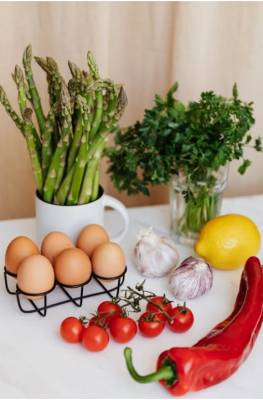
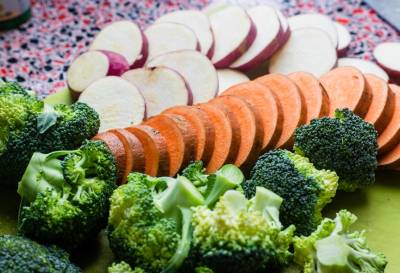
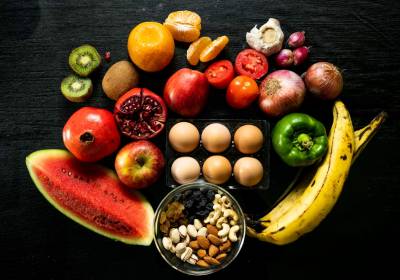
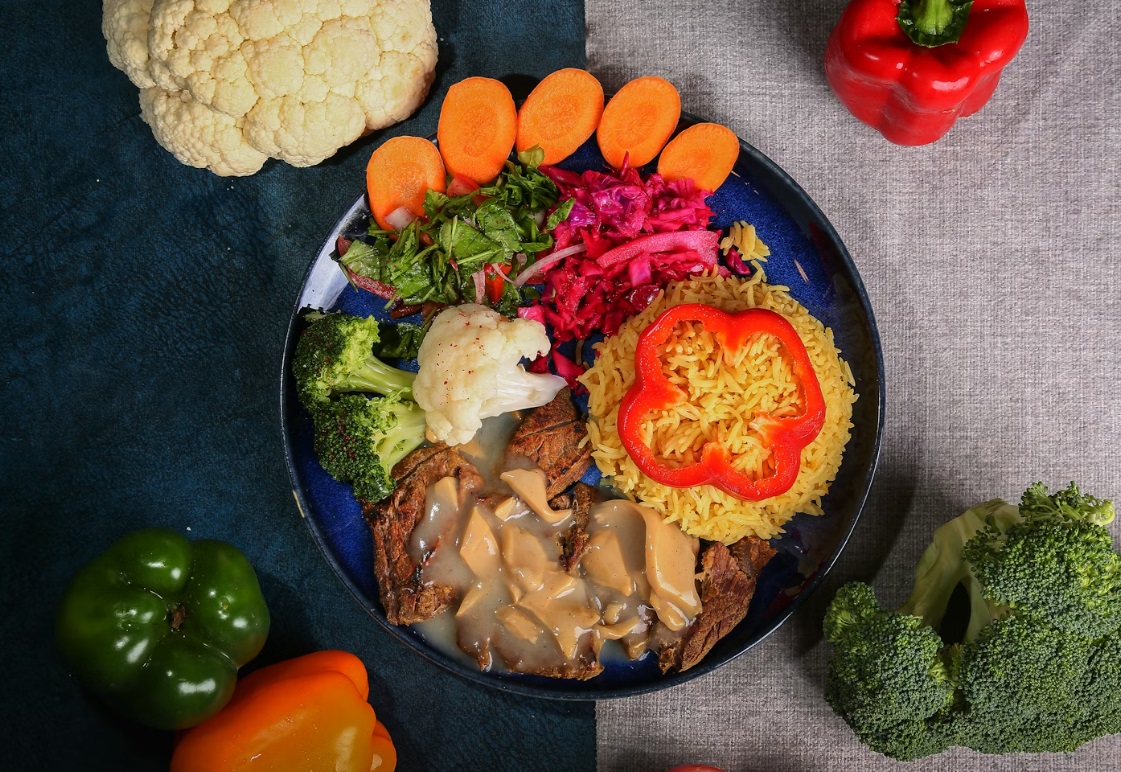
Vegetables. Fruits. Protein. Carbs. Fats. You’ve heard the list a million times, but it’s really just about balance. I try to think of half my plate as vegetables—sometimes that’s a big mess of spinach and roasted carrots, sometimes it’s frozen peas because life is messy. A palm-sized portion of protein and a small serving of something starchy rounds it out. Nothing has to be perfect; yesterday I had leftover spaghetti with chickpeas thrown in. Not glamorous, but it worked.
Drinks matter too. Water is boring, but it’s also the easiest thing to ignore until your mouth feels like sandpaper. Coffee and tea are fine, soda less so, but honestly, a small soda now and then doesn’t ruin the whole week. The real problem is forgetting you drank it and then trying to compensate later.
Timing and Routine
I don’t believe in rigid schedules. Breakfast at 7, lunch at noon, dinner at 6? Sure, if that fits. But more often I eat whenever I notice hunger and then regret it if I wait too long. Skipping meals sometimes leads to bingeing on whatever’s easiest, like chips or takeout. That’s less “healthy” and more “survival mode.”
Snacking isn’t inherently bad either. If it’s fruit, nuts, or yogurt, it fills the gap. But I’ve noticed when I grab something out of boredom—say, staring at my laptop at 10 p.m.—it’s almost always something processed. That pattern is subtle but real.
Moderation Over Rules
People talk about “clean eating” like it’s a moral standard, which is exhausting. I find it more sustainable to think in terms of moderation. A cookie isn’t a failure, but five in a row might be. Pizza doesn’t make you a bad person; eating it every meal for a week probably will make your stomach regret it.
Salt, sugar, and oil don’t need to disappear entirely. They just need a bit of awareness. For instance, I realized I was adding soy sauce to everything, not for taste, but because it was convenient. Cutting back didn’t ruin my meals—it made me notice other flavors I’d been ignoring.
Listen, Adjust, Repeat
Healthy eating isn’t a checklist; it’s noticing how your body reacts and tweaking along the way. Maybe lunch left you sleepy; maybe skipping breakfast made dinner feel urgent. Little experiments, small adjustments—they matter more than any “perfect” meal plan.
It’s annoying sometimes, sure, but also kind of interesting to see which foods actually make you feel okay versus which just fill the stomach. Over time, the good patterns stack up. And even if you don’t remember the specifics, your body does.