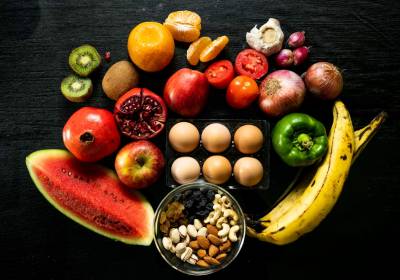
Some mornings, I barely have time to grab a granola bar before heading out for a run, and I always wonder if I’m doing it “right.” You hear a lot of rules thrown around—protein this, carbs that—but in reality, it’s a bit messier. Your body doesn’t read labels the way we do, and honestly, it reacts more to what’s in your kitchen than what’s trending in fitness magazines.
For me, the trick has always been small adjustments rather than strict meal plans. A banana before a mid-morning workout works fine most days, but some afternoons, I crave toast with peanut butter instead. Both fuel you, just differently. It depends on timing, intensity, and even your mood. There’s no one-size-fits-all formula, though a general sense of balance helps.
Timing Your Meals
I used to gulp coffee and skip breakfast, assuming I’d burn more fat on an empty stomach. That theory didn’t last long; mid-run, my legs felt heavy and sluggish. Eating something small an hour before exercise—a handful of nuts or a piece of fruit—makes a noticeable difference. It's about finding that sweet spot where you have energy without feeling weighed down.
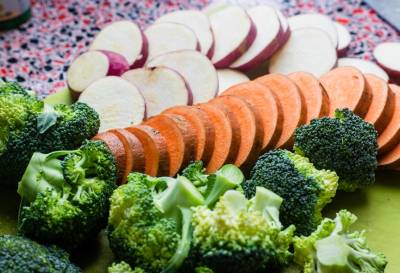
Afterward, it’s another story. Protein matters, but not necessarily in a precise, measured way. A chicken sandwich, yogurt with fruit, or even eggs scrambled with leftover veggies gets the job done. I’ve noticed the post-workout meal feels better when I'm not overthinking it like a robot following instructions. Something satisfying and simple is usually best.
Carbs, Protein, and Everyday Fuel
Carbs often get a bad rap, but without them, I’m basically a phone running on 2% battery. Rice, oats, or even a baked potato can quietly support a long walk, a lifting session, or a chaotic day of errands. Protein is vital, but unless you’re training for a marathon, most people get plenty from regular meals.
One thing I’ve learned is that variety is key. I mix beans with rice, throw in eggs, or add a little cheese. It’s not elegant, but it keeps my muscles fed and my energy levels stable. I notice my afternoon slump is much less brutal when I don’t skimp on protein at lunch—even if that lunch is just leftover stir-fry from the night before.
Hydration and Small Details
Water is surprisingly easy to forget. I’ll sip a little before a workout, then realize two hours later that I’ve barely touched my bottle. The signs are subtle—dry lips or heavier breathing—but they matter. While coffee or tea can help, plain water seems to keep everything moving best.
Little habits add up: keeping fruit on my desk, having yogurt after a run, and drinking water throughout the day. My method isn't scientific; it’s just about paying attention to my body’s quiet signals. Energy dips or restless nights usually tell you something is off, whether it’s food, sleep, or too much screen time.
Ultimately, the best “guidelines” come from observation and minor tweaks. Eat enough, listen to your hunger, and see how your body responds. Sometimes the simplest approach is the one that actually sticks.