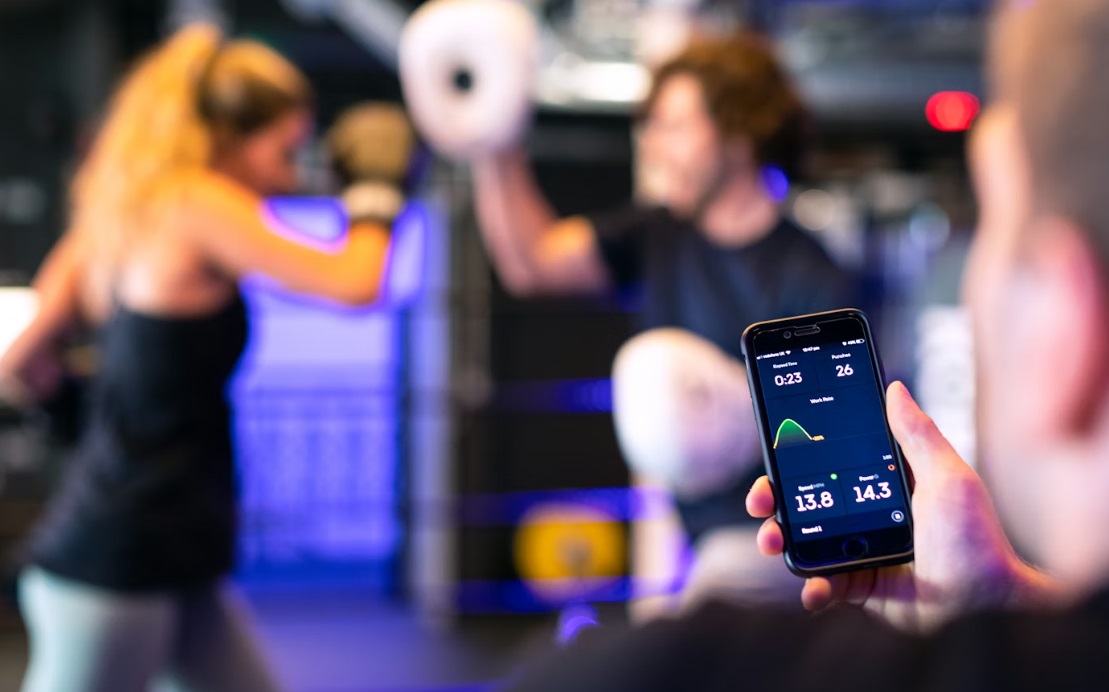
It’s funny how a tiny screen can make you suddenly care about every step you take. I never thought I’d be one of those people who checks a watch mid-walk to see if I hit ten thousand steps, but here I am. The first thing that hit me was how detailed some apps are. They track calories burned, heart rate, and even the number of flights of stairs climbed. Sometimes it feels a bit obsessive, but mostly it’s just informative. I’ve caught myself staring at the little graphs at night, scrolling back through my week, wondering if a lazy Thursday really counts against me.
Some apps feel clunky, though. One time, my run didn’t register properly, and I had to redo the whole thing—or just accept that my supposed “perfect week” was a lie. But when it works, it’s satisfying, like seeing a faint line slowly turn green over days of small effort.
Tracking Can Change Your Routine—Quietly
It’s subtle. You start walking a bit more because the app nudged you. Or you park farther away and take the stairs instead of the elevator. I don’t think I realized how much of my day was made of tiny choices until I could see them in numbers. One morning I even took a detour around the block because my step count was lagging. Ridiculous, maybe, but there it is.
Not everything measured matters equally. Sleep tracking, for instance, can be weird. One night I apparently “slept poorly” even though I felt fine, and it made me second-guess myself more than it helped. On the other hand, seeing that streak of workouts in a row can be quietly motivating, just the little green check marks piling up. It’s not life-changing, but there’s a kind of stubborn satisfaction in it.
Design Choices That Actually Matter
Some apps get you right away with a clean interface. Others feel like they’re hiding things under layers of menus. I remember trying one app that had colorful charts but buried step counts two clicks deep. I didn’t bother after a week. Another one had a notification that pinged every morning with your progress, which I hated at first, but now I kind of wait for it. It is strange how annoyance turns into habit.
What matters most isn’t whether the app is flashy or accurate down to the last calorie. It’s whether it fits into the weird, cluttered rhythm of your life. Some mornings, you check it obsessively; other days, you forget it exists. Both are fine. That ebb and flow is part of the point, in a quiet way.
The Small Wins You Actually Notice
Sometimes the app doesn’t matter at all until it does. Yesterday I realized I’d walked more in a week than I had in a month, just by glancing at the summary. It’s nothing dramatic—no medals, no social posts—but for a moment, it felt like the tiny accumulations mattered. Maybe that’s why people stick with them, even when notifications get annoying or data seems off. Those small wins are oddly comforting, like a cup of coffee on a crowded morning or finding a pen that actually works.
And, honestly, that’s enough. You don’t need to run a marathon to notice a difference. The app just keeps a quiet record of what you already know in bits and pieces, which is somehow reassuring.